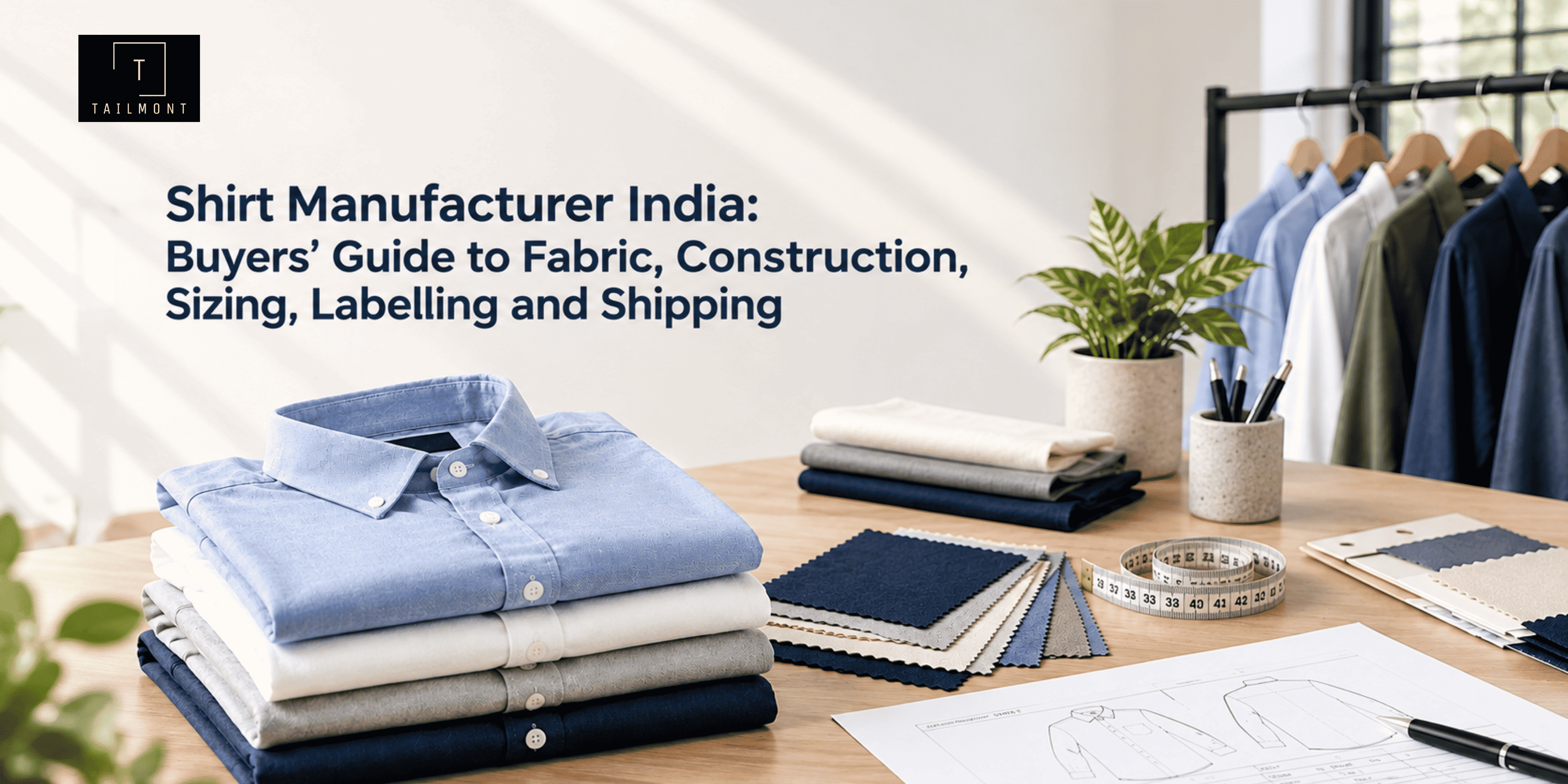
Formal and Casual Shirt Manufacturer in India: A Sourcing Guide for UK and EU Buyers
Woven shirts are more demanding to source than knit T-shirts. Fabric choice, collar construction, pattern cutting and sizing all show in the finished garment, and a small error can repeat across every piece. For a UK or EU buyer working with a shirt manufacturer India, the questions that matter go beyond price: what fabrics are used, how the shirt is built, how it is sized for your market and what paperwork travels with the shipment.
This guide covers the key considerations for formal and casual shirts, from fabric and construction to sizing, labelling, documentation and supplier evaluation.
Formal Shirts vs Casual Shirts: What Changes for the Buyer
|
|
Formal shirts |
Casual shirts |
|
Typical use |
Office, tailoring-led and occasion wear |
Everyday, smart-casual and weekend wear |
|
Fabric focus |
Smooth, crisp handle; clean collar and cuff |
Texture and comfort; Oxford and linen |
|
Construction focus |
Collar, interlining, cuff and placket precision |
Wash behaviour, shrinkage and relaxed fit |
|
Fit priority |
Consistent grading and neat proportions |
Comfort and consistent measurements |
|
Common risk |
Collar losing shape or stiffness |
Shrinkage, twisting and colour change |
When comparing a formal shirt manufacturer India supplier with a casual shirt manufacturer, buyers should assess the requirements of each product rather than comparing only the quoted price.
Fabrics: What to Ask For
Common shirt fabrics include 100% cotton, cotton blends, Oxford, linen and performance fabrics. Oxford has a textured basketweave and more body, while linen is lightweight and breathable but creases more easily. Cotton blends may be selected when easier care is required.
When comparing an Oxford shirt manufacturer or linen shirt manufacturer, ask for the actual fabric specification rather than relying only on the fabric name. Specify fibre content, weave and weight, and approve a physical fabric swatch before production.
For buyers sourcing wholesale men’s shirts India, the approved fabric specification should be documented so that the bulk production can be checked against the approved sample.
Construction Details That Matter
A good shirt depends on several construction details:
- Collar and cuffs: Check shape, stand height, interlining quality and symmetry, including their appearance after washing.
- Placket and buttons: Look for straight stitching, secure button attachment and consistent button-hole finishing.
- Pattern matching: Checks and stripes should align at the placket, pocket and sleeves.
- Seam finish: Stitch density should be even, without puckering.
- Pressing and finishing: Poor pressing can reduce the retail appeal of an otherwise well-made garment.
A reliable shirt manufacturer India should be able to explain how these details are checked during sampling and bulk production. This becomes particularly important when producing private label shirts, where the finished garment must consistently follow the brand's specifications.
Sizing for UK and EU Markets
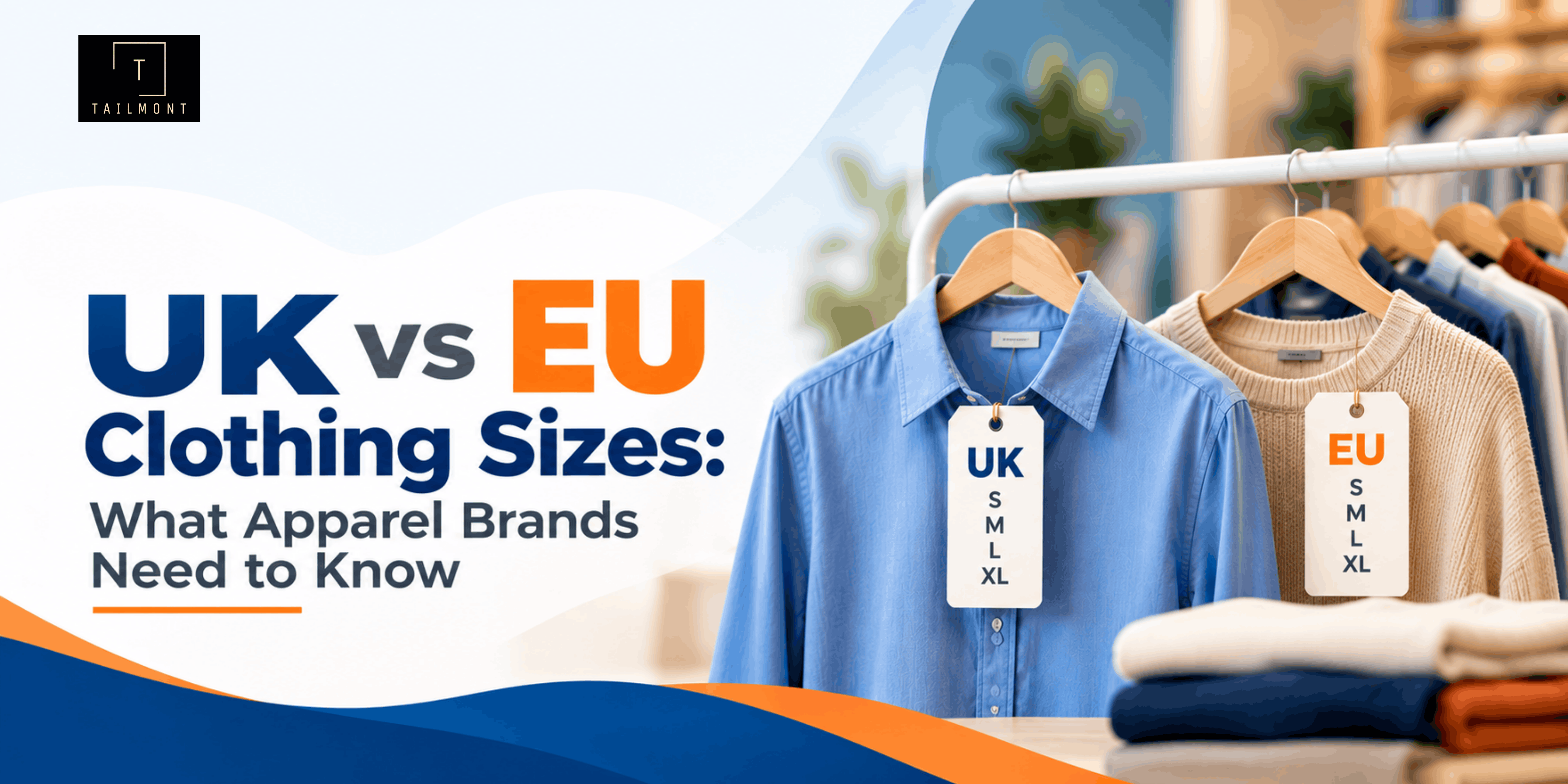
Shirt sizing can create problems in cross-border orders. UK and US collar sizes are normally given in inches, while EU sizing is typically expressed in centimetres. Many brands also use S–XL letter sizes with their own measurement charts.
Do not rely on a size name alone. Send a measurement chart for every size, clearly state whether the measurements are for the body or finished garment, and agree acceptable tolerances.
For a shirt manufacturer India for UK buyers, providing a clear size chart and fit block before sampling helps reduce measurement differences between the approved sample and bulk production.
Labelling and Compliance
Textile products sold in the EU must carry fibre-composition information under EU Regulation 1007/2011. The UK, US and other markets have their own textile labelling requirements, while care-labelling practices can also vary.
Because requirements can change and responsibilities may apply to the importer or brand, confirm the current requirements for your market with your compliance advisor. Give the manufacturer exact label wording and placement instructions.
Chemical and product-safety requirements, including REACH requirements relevant to the EU market, should also be checked where applicable.
For private label shirts, confirm fibre content, care information, brand labels and placement before approving the final sample.
Export Documents and Shipping
Ask what documents the supplier provides. Typical export documentation can include commercial invoices, packing lists and other shipping documents applicable to the destination.
For buyers reviewing export documents for shirts from India, responsibilities should be agreed before the order is confirmed.
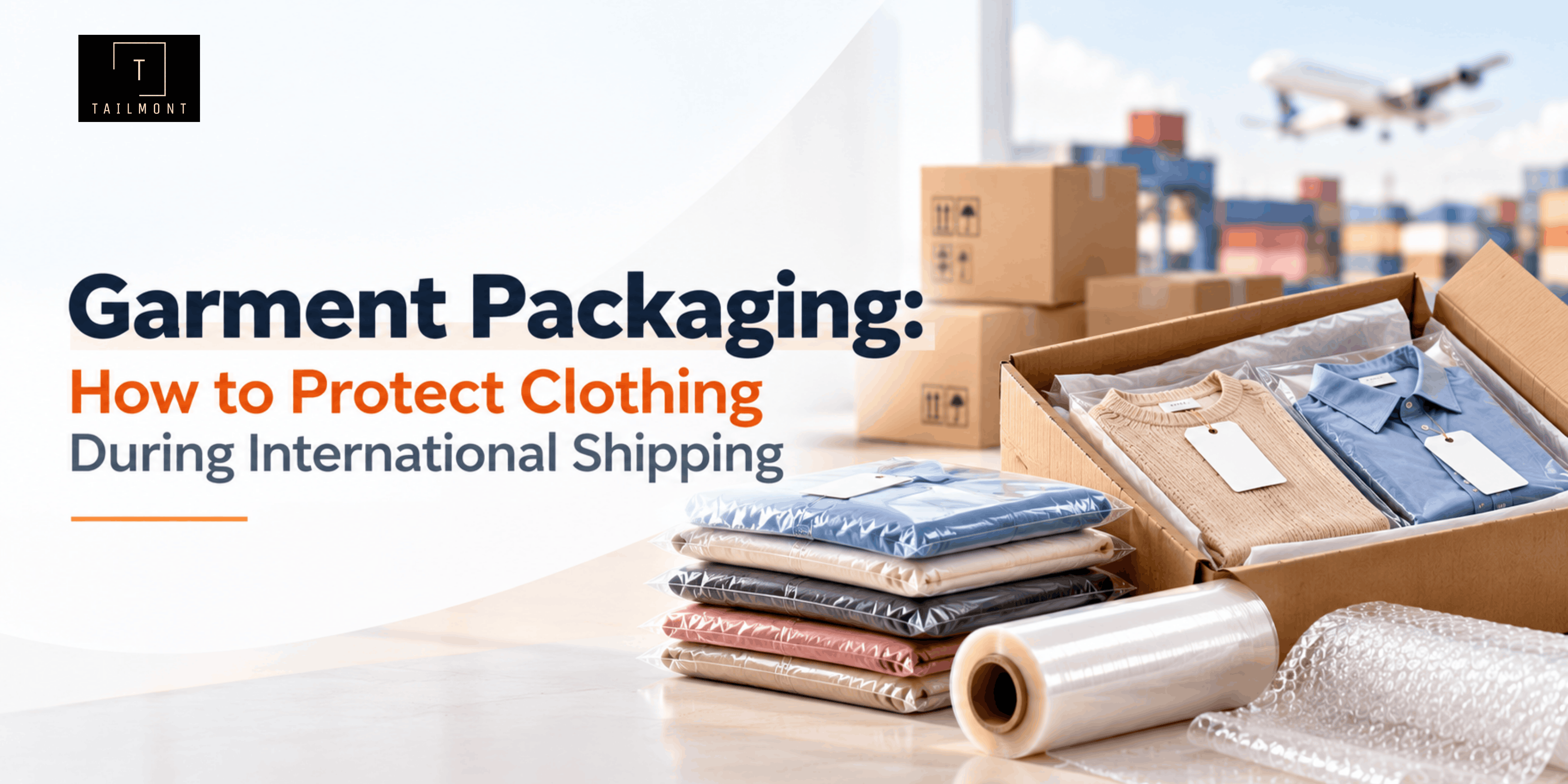
Shipping usually involves balancing cost and speed. Sea freight is suitable for planned stock, air freight can be used when delivery is more time-sensitive, and express courier is commonly used for samples. Agree who handles freight, insurance and import clearance before production begins.
A men’s shirt supplier for importers should clearly explain the available shipping methods and documentation responsibilities.
Common Sourcing Mistakes
Approving a shirt without wash-testing the collar, cuffs and fabric.
- Using size names without a measurement chart.
- Leaving label wording and placement to the factory.
- Comparing quotes without matching fabric and construction specifications.
- Ignoring pattern matching on checks and stripes until bulk production.
Selecting an Oxford shirt manufacturer or linen shirt manufacturer based only on the fabric name.
Comparing wholesale men’s shirts India prices without checking GSM, fabric, construction and finishing specifications.
How to Evaluate a Shirt Manufacturer
When evaluating a shirt manufacturer India, ask:
- What shirt categories and fabrics do they produce regularly?
- How is a sample developed and approved?
- Which quality checks cover cutting, stitching, measurements and finishing?
- How are sizing and colour consistency maintained across batches?
- What export documents and shipping methods are available?
- Can they support private label shirts with custom labels, hangtags and packaging?
These questions allow buyers to compare suppliers based on manufacturing capability and process rather than quotation alone.
How TailMont Approaches Shirts
TailMont manufactures casual shirts and formal shirts for importers, distributors, wholesalers and retailers. Its process covers fabric selection, pattern development, precision cutting, stitching, quality inspection, finishing, pressing, packing and dispatch.
Inspections cover fabric quality, cutting accuracy, stitching, measurements, colour consistency, finishing and packaging.
Customisation includes fabric, colours, fit, GSM, stitching details, collars, cuffs and trims. Private-label options include custom labels, hangtags and packaging.
TailMont states typical sample development of 7–14 days and production of 30–60 days, with shipping depending on destination and method. Its primary markets include the United States, United Kingdom and Europe.
TailMont’s MOQ is 500 pieces. Buyers can share their styles, colours and size split so the team can confirm how the MOQ applies to the order.
Its website lists ICEGATE, MSME, GST, FIEO and Import Export Code India in its certifications and memberships section. These are business and export registrations rather than product-testing certifications, so buyers should request separate test reports if their market requires them.
For buyers seeking a shirt manufacturer India partner, fabric requirements, measurements, quantities, customisation and quality expectations should be discussed before sampling.
Conclusion
Shirt sourcing succeeds when fabric, construction, sizing and labelling are agreed in writing before the first sample. For UK and EU buyers, add a market-specific check on labelling and a clear understanding of documents and shipping responsibility.
When comparing a shirt manufacturer India supplier, look beyond the initial quotation and review fabric specifications, construction, sizing, quality control, labelling, documentation and private-label capabilities.
To discuss formal or casual shirts for your market, contact TailMont with your fabric preference, size chart and expected quantities.
FAQs
1. Which fabrics are used for shirts?
Common options include cotton, cotton blends, Oxford, linen, organic cotton, Pima cotton and performance fabrics, depending on the product.
2. How should I handle UK and EU sizing?
Send a measurement chart for each size and state whether it contains body or garment measurements. Do not rely on size names or collar sizes alone.
3. What export documents are provided?
Commercial invoices, packing lists and other shipping documents may be provided according to the destination and shipment requirements.
4. How long do sampling and production take?
Typical sample development is 7–14 days and production is 30–60 days, with shipping time depending on destination and method.
5. Can shirts carry my own labels?
Custom labels, neck labels, hangtags, packaging, printing and embroidery can be discussed and approved during the sampling stage.
6. What is the MOQ for shirts?
TailMont’s MOQ is 500 pieces. Buyers should share their styles, colours and size split so the applicable requirement can be confirmed.